Tortoise - Watercolor: A Designer’s Review for Real Embroidery
When I first pulled up the Tortoise - Watercolor design on my screen, I wasn’t looking for just another animal motif. As an embroidery designer who spends half my life troubleshooting stitch paths and the other half managing client expectations, I look for designs that translate well from digital preview to physical thread. This piece caught my eye not because it was flashy, but because of its potential for subtle, high-end application in the Animals category. It promises a soft, artistic vibe, but does it hold up under the needle? Let’s break down how this design performs in real-world scenarios.
First Impressions: Mood and Visual Personality
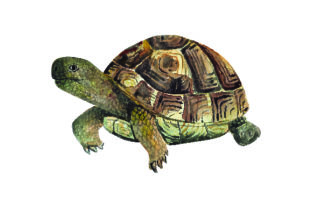
The immediate impression of Tortoise - Watercolor is one of calm sophistication. Unlike bold, cartoonish outlines often found in beginner libraries, this design mimics the fluid, bleeding edges of watercolor painting. For an embroidery project, this is both a challenge and an opportunity. The layout feels organic, avoiding rigid symmetry which makes it ideal for projects where you want a handmade, artisanal feel rather than a mass-produced look.
The detail level is moderate. It doesn’t rely on microscopic satin stitches that might fray after two washes, nor does it use excessive fill stitch density that could turn a lightweight fabric into a stiff cardboard patch. Visually, it strikes a balance that suggests patience and nature—perfect for customers seeking a connection to slow living or eco-conscious themes.
Real-World Application: Where This Design Shines
I recently tested this concept while preparing a custom order for a boutique selling sustainable goods. The client wanted a tote bag design that felt earthy but modern. Here is where Tortoise - Watercolor truly excels. On a natural canvas tote, the softer edges of the watercolor style blend beautifully with the texture of the fabric. It doesn’t sit on top of the material like a plastic sticker; it feels integrated.
Beyond tote bags, this design is a strong contender for sweatshirt embroidery. When placed on the left chest of a heather grey or sage green crewneck, it acts as a subtle brand mark or personal emblem. It’s small enough to be understated yet detailed enough to draw interest. I can also see this working wonderfully as a personalized gift for nursery decor. A framed hoop featuring this tortoise, stitched in muted pastels, creates a serene focal point for a baby’s room without being overly juvenile.
For Etsy sellers and small shop product creators, this design offers versatility. It fits seamlessly into collections focused on mindfulness, nature, or vintage aesthetics. Whether you are creating holiday embroidery gifts or year-round custom apparel, the timeless nature of the tortoise ensures the product won’t feel dated next season.
Technical Considerations and Fabric Choices
While the aesthetic is pleasing, we must discuss the technical reality of stitching a watercolor-style image. Watercolor effects in embroidery usually rely on varied thread colors and specific stitch angles to create shading. This means thread colors are critical. You cannot simply swap out colors without potentially losing the depth of the image. I recommend sticking close to the suggested palette unless you are experienced in color theory.
Fabric choice is equally important. This design performs best on medium-weight woven fabrics like cotton twill, linen, or denim. Be cautious with stretchy fabric or very thin materials. The stitch density required to achieve the watercolor look may cause puckering if you do not use the correct stabilizer. For a caps or embroidered patch application, ensure you use a cut-away stabilizer to support the structure, especially if the design has larger fill areas.
Avoid using this on dark fabrics unless the design includes a solid underlay or backing. The translucent nature of the watercolor effect relies on the fabric showing through slightly or light threads blending. On black fabric, those subtle shades will disappear, leaving you with a muddy, indistinct shape. Always test on scrap fabric first. Check how the running stitch outlines hold up against the denser fills.
Commercial Viability and Brand Consistency
For commercial embroidery and craft business owners, consistency is key. Tortoise - Watercolor helps build a cohesive brand identity if you are targeting a demographic that values artistry over loud graphics. It elevates the perceived value of the finished product. Customers are often willing to pay more for items that look like unique art pieces rather than generic clipart.
However, before listing this as a digital embroidery file or selling finished items, you must verify the license terms. Not all designs allow for unlimited commercial use. Check if the creator permits selling physical goods made with the design. Additionally, inspect the hoop size requirements. If the design is optimized for a 5x7 hoop, shrinking it down to a 4x4 for a baby onesie might cause legibility issues with the finer details. Conversely, enlarging it too much for a pillow cover might expose jagged edges in the stitch path.
Practical Designer Notes for Best Results
To get the most out of this machine embroidery design, follow these practical steps:
- Test Stitch Out: Always run a test on similar fabric weight to your final product. Check for thread breaks in dense areas.
- Contrast Check: View your design in black and white on your computer. If the details vanish, the contrast between thread colors is too low.
- Stabilizer Selection: Use a tear-away for stable wovens like towels, but switch to cut-away for knits or garments that will undergo frequent washing.
- Needle Choice: Use a sharp needle for woven fabrics to prevent skipped stitches, which can ruin the smooth gradient effect of the watercolor style.
- Mockups: Create printable mockup images to show clients how the design looks on different colored garments before stitching.
In conclusion, Tortoise - Watercolor is a thoughtful addition to any designer’s library. It requires a bit more attention to detail than a basic logo, but the payoff in visual appeal and customer engagement is significant. It transforms simple items like aprons, kitchen towel sets, and baby clothes into cherished keepsakes. By respecting the technical needs of the design and choosing the right materials, you can create design assets that stand out in a crowded market. Happy stitching.