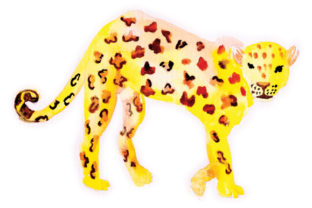
Leopard in Watercolor: A Designer's Real-World Review
As someone who has spent years curating machine embroidery designs for both personal craft projects and commercial client work, I approach every new file with a critical eye. The market is flooded with generic patterns, but occasionally, a design arrives that feels different. That is exactly my first impression of Leopard in Watercolor. This piece immediately stands out from the typical bold, high-contrast animal motifs we usually see in the Animals category. It offers a softer, more artistic interpretation that demands a specific approach to stitching and product selection.
The Artistic Mood and Visual Personality
When I first loaded the embroidery file into my digitizing software, the mood was instantly clear. Unlike traditional leopard prints that rely on sharp outlines and solid blocks of color, this design mimics the fluidity of watercolor paint. The spots blend into one another with varying opacities, creating a dreamy, ethereal aesthetic. This visual personality suggests that the design belongs on items where elegance and softness are key selling points. It is not a rugged design for heavy-duty workwear; rather, it is a sophisticated choice for boutique branding or high-end handmade goods.
The layout is balanced, allowing the negative space to play a crucial role in the composition. For an Etsy seller or a creative entrepreneur looking to elevate their shop's aesthetic, this design provides a unique opportunity to offer something distinct from the standard catalog offerings. The way the colors transition relies heavily on the quality of the fill stitch and the precision of the running stitch used to define the edges. If executed correctly, the finished product will look like a hand-painted illustration stitched onto fabric.
A Real-Life Scenario: The Custom Tote Bag Project
To truly understand the potential of Leopard in Watercolor, let me walk you through a real-life scenario. Imagine I am preparing a limited run of custom canvas tote bags for a local art gallery's holiday gift collection. The goal is to create a personalized gift that feels curated and artistic. I decide to use this design on natural, unbleached cotton canvas.
In this context, the watercolor effect works beautifully. The organic texture of the canvas complements the soft edges of the leopard spots. However, I have to be strategic about placement. Centering the design on the front of the bag creates a focal point that draws the customer in immediately. Because the design is not overly dense, it won't pucker the thick canvas, which is a common issue with large stitch density areas on heavy fabrics. When I visualize the final tote bag design, I can already see customers picking these up because they feel like wearable art rather than just promotional merchandise.
This same logic applies if I were adapting the design for a sweatshirt embroidery project. Placing the motif on the back pocket of a crewneck sweatshirt would give a modern, streetwear vibe that appeals to a younger demographic. The softness of the watercolor style prevents the design from feeling too aggressive or loud, making it versatile enough for both casual wear and slightly dressier occasions.
Navigating Fabric Choices and Technical Challenges
While Leopard in Watercolor is visually stunning, it requires careful consideration regarding fabric texture and type. As a professional reviewer, I must advise caution when using this design on textured fabrics like fleece or ribbed knits. The intricate blending of the watercolor spots might get lost in the weave of the material, resulting in a muddy appearance rather than a crisp image. Similarly, thin fabrics like silk or lightweight rayon could struggle to support the weight of the thread unless you use a high-quality stabilizer.
Stretchy fabrics present another challenge. If you plan to use this design for custom apparel like leggings or fitted tees, the stretching of the fabric during wear can distort the delicate lines of the watercolor effect. I always recommend testing the design on scrap fabric first, especially if you are working with materials that have significant stretch. You need to ensure that the hoop size allows for proper tension without distorting the shape of the leopard.
Furthermore, dark fabrics require special attention. The watercolor effect often relies on lighter tones and subtle gradients. Stitching this directly onto black or navy fabric might require extensive underlay stitches to make the colors pop, or it might necessitate an applique design technique where a light background is sewn down first. Without this preparation, the thread colors may appear dull, and the artistic intent of the design could be compromised.
Practical Notes for Designers and Business Owners
For those of you running a craft business or managing a small shop, here are some essential notes before committing to production. First, always check the stitch count provided by the designer. While this design looks complex, it should not take an excessive amount of time to stitch if the density is optimized. High stitch counts can lead to longer production times and higher costs, which impacts your profit margins on small shop products.
Secondly, verify the licensing terms. Are you allowed to sell finished items? Can you use the design for commercial embroidery projects for clients? Some digital files are restricted to personal use only. Never assume you can sell a finished product without explicit permission. This is crucial for maintaining your reputation as a professional and avoiding legal issues.
I also suggest creating printable mockups in black and white before purchasing thread. This helps you assess the contrast and clarity of the design without the distraction of color. It allows you to see if the details hold up at smaller scales. If you are considering this for a baby embroidery item, such as a onesie or a nursery pillow cover, ensure that the thread quality is safe and that there are no loose ends that could pose a hazard.
Maximizing Value and Customer Engagement
Ultimately, the value of Leopard in Watercolor lies in its ability to elevate the perceived quality of your products. In a crowded marketplace, offering a design that looks hand-painted sets your brand apart. It signals to the buyer that you care about aesthetics and detail. Whether you are creating a holiday embroidery gift set or expanding your line of digital product sellers assets, this design adds a layer of sophistication.
Customers today are savvy; they can tell the difference between a rushed, low-quality stitch and a well-thought-out design. By taking the time to test the design, choose the right fabric, and apply proper stabilizers, you ensure that the handmade product you deliver meets high standards. This builds trust and encourages repeat business. The visual appeal of the watercolor leopard translates directly into buyer engagement, making it a strong asset for anyone looking to grow their brand in the handmade sector.
In conclusion, Leopard in Watercolor is a versatile and beautiful option for designers willing to put in the extra effort to execute it correctly. It is not a "one-size-fits-all" solution, but for the right project—be it a chic embroidered patch, a luxury kitchen towel, or a personalized baby blanket—it delivers exceptional results. Just remember to respect the technical requirements of the design, and you will create pieces that customers will cherish.