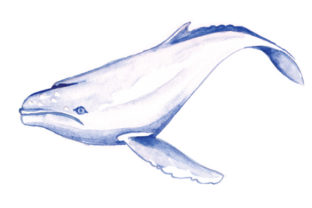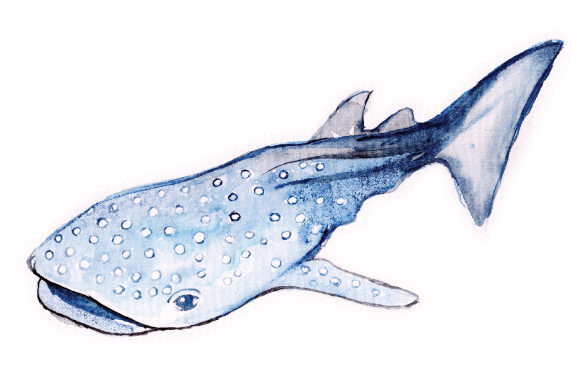
Watercolor Whale Shark: Animals for Modern Editorial
As a digital publisher who has spent years curating visual identities for content sites, I know that the first thing a reader notices is not your headline, but your featured image. When I first encountered the Watercolor Whale Shark, it immediately stood out as a premium graphic design asset capable of elevating an entire editorial layout. This piece does not just depict marine life; it establishes a mood. It feels organic, fluid, and deeply artistic, making it a perfect fit for blogs that aim to balance educational value with aesthetic appeal.
The soft, bleeding edges of the watercolor technique give this asset a tactile quality that vector graphics often lack. In the context of web design, this texture adds warmth and approachability. It signals to the reader that the content behind the image is thoughtful and crafted with care. Whether you are running a lifestyle blog, an environmental education site, or a creative marketplace, this specific illustration within the Animals category offers a unique opportunity to break away from generic stock photography.
Setting the Editorial Tone with Fluid Artistry
The immediate impression of the Watercolor Whale Shark is one of calm authority. Unlike hyper-realistic photos that can sometimes feel too commercial or aggressive in a feed, this artistic rendering invites curiosity. It creates a visual hierarchy where the eye is drawn to the gentle curves of the shark without feeling overwhelmed. For publishers focusing on ocean conservation, travel guides, or even metaphorical content about navigating challenges, this image serves as a powerful anchor.
When I review assets for my own publishing workflow, I look for versatility. Does this image work as a website header? Can it be cropped for a social media post? The composition of the Watercolor Whale Shark suggests it is built for flexibility. The negative space around the subject allows for clean typography placement, which is critical for creating high-converting Pinterest pins and blog thumbnails. It feels less like a clipart and more like a custom commission, which instantly boosts reader trust.
Real-World Publishing Applications
In a real-world content marketing strategy, this asset can serve multiple roles beyond a simple decoration. Imagine using the Watercolor Whale Shark as the hero image for a comprehensive guide on marine biology. The artistic style complements long-form text by providing visual breaks that keep readers engaged. It transforms a dry informational page into an immersive experience.
- Blog Featured Images: Use this as the primary visual for articles about ocean life, travel destinations, or creative processes. It sets a professional yet inviting tone immediately.
- Pinterest Graphics: The vertical orientation potential of this design makes it ideal for Pinterest pins. Pair it with a bold sans-serif font to create clickable links that drive traffic back to your site.
- Newsletter Headers: For email marketing campaigns, this image works beautifully as a banner. It stands out in crowded inboxes and reinforces your brand identity as a creator who values quality design.
- Digital Products and Lead Magnets: If you are creating a downloadable resource, such as a digital guide or a printable worksheet for kids, this asset can be the cover art. It promises a high-quality, engaging download.
- Affiliate Marketing Visuals: When promoting affiliate products related to books, toys, or travel gear, use this image to create custom banners that do not look like standard ads. This increases click-through rates significantly.
Enhancing Brand Identity and Visual Consistency
One of the biggest challenges for small business owners and creative entrepreneurs is maintaining a consistent visual language across all platforms. The Watercolor Whale Shark provides a cohesive element that can tie together disparate pieces of content. By using this style of creative design repeatedly—perhaps alongside other watercolor animals—you build a recognizable brand aesthetic. Readers begin to associate that specific artistic style with your voice and expertise.
This consistency is vital for building a modern design portfolio. When visitors land on your site, they should immediately understand what kind of content you produce. A polished, artistic header image suggests that the writing inside is equally well-researched and edited. It is a subtle psychological cue that improves perceived value.
Strategic Placement and Design Considerations
While the Watercolor Whale Shark is versatile, it requires strategic placement to maximize its impact. It excels in hero sections where it can be displayed at full resolution, allowing the viewer to appreciate the brushwork and color gradients. It also works exceptionally well as a category thumbnail on a blog homepage, helping users quickly identify topics related to nature, art, or travel.
However, there are scenarios where caution is needed. Because watercolor styles often rely on soft transitions and lighter tones, they may struggle in low-contrast environments. Avoid placing this asset on a busy background or in a layout with too many competing elements. Additionally, if your niche is strictly corporate finance or serious legal news, this playful and artistic style might clash with the required tone of authority. Always test the image in black and white to ensure the contrast holds up for accessibility purposes.
Technical Workflow for Publishers
Before integrating any graphic design asset into a live site, I recommend a rigorous testing phase. Start by previewing the Watercolor Whale Shark on both desktop and mobile screens. Mobile users make up a significant portion of web traffic, and you must ensure the details remain visible on smaller devices. Check how the image looks when compressed; high-resolution files can slow down page load times, negatively affecting SEO.
Experiment with different typography pairings. Try overlaying a serif font for a classic editorial look, or a handwritten script for a more personal, blog-style vibe. Ensure the text remains legible against the watercolor background. You might need to add a subtle drop shadow or a semi-transparent overlay to improve readability. Finally, always verify the commercial license. As a digital publisher, you must confirm that you have the right to use this asset on monetized websites, affiliate pages, and paid digital downloads without legal repercussions.
Conclusion for the Creative Entrepreneur
The Watercolor Whale Shark is more than just a picture of an animal; it is a tool for storytelling and branding. In an era where content is king, presentation is queen. Using high-quality design assets like this one demonstrates a commitment to excellence that resonates with audiences. Whether you are designing a Canva template for clients, creating a lead magnet for your newsletter, or simply trying to make your latest blog post pop, this asset delivers. It bridges the gap between raw information and polished publication, ensuring your content not only informs but inspires.