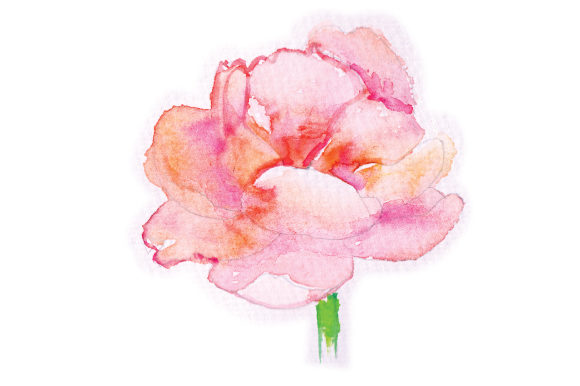
Watercolor Peony: A Review for Animals & Floral Designs
As a digital product creator who has spent years curating assets for Etsy, Creative Fabrica, and my own Shopify store, I approach every new graphic design asset with a specific set of questions. Does it solve a problem? Does it elevate the perceived value of a listing? Is it versatile enough to justify the download? Recently, I added a file titled Watercolor Peony to my library, and despite its categorization under Animals in the source marketplace, the visual potential is undeniable for any creative entrepreneur looking to expand their portfolio. This review breaks down how this specific illustration can be tested, optimized, and sold across various platforms.
First Impressions and Visual Personality
When I first opened the Watercolor Peony file, the immediate impression was one of soft elegance mixed with organic texture. Unlike rigid vector shapes that can feel sterile, this asset carries the warmth of a handmade business. The mood is distinctly feminine and decorative, appealing to buyers who favor rustic or modern botanical aesthetics. While the metadata lists it under Animals, the floral nature of the peony suggests a broader application. It feels premium yet accessible, striking a balance that works well for both high-end branding and affordable digital downloads. For a seller targeting a niche audience interested in garden themes, wedding stationery, or nursery decor, this visual personality is a strong asset. It avoids the trap of looking generic by offering subtle color gradients that mimic real watercolor paint.
Real-World Application for Online Sellers
The true test of any commercial design lies in its versatility. I immediately began brainstorming how Watercolor Peony could function as a core element in a new product collection. For print-on-demand sellers, this illustration is an excellent candidate for t-shirt designs and tote bag prints. The soft edges blend beautifully with fabric textures, avoiding the harsh lines that sometimes plague sublimation designs. If you are a Cricut user, the clean separation of the petals allows for a viable SVG design, provided the file structure supports layering. You could use it to create intricate sticker designs or planner stickers where the watercolor effect adds depth without overwhelming the layout.
Beyond physical goods, this asset shines in the realm of digital products. Imagine a Canva template for wedding invitations or a blog header for a lifestyle influencer. The Watercolor Peony serves as a perfect focal point, allowing text to sit comfortably around it. For those selling printable wall art, this image can be scaled up for large product previews or used as part of a design bundle featuring other botanical elements. It also works exceptionally well for packaging design, adding a touch of sophistication to small business branding on shipping labels or thank-you cards.
Enhancing Product Presentation and Trust
In the competitive landscape of a creative marketplace, your listing images must stop the scroll. Using Watercolor Peony effectively in your product mockups can significantly boost click-through potential. I recommend using this asset not just on the final product but within the thumbnail appeal itself. A mockup showing a mug with a single, vibrant peony often conveys higher quality than a crowded, busy design. This visual hierarchy helps customers understand the value proposition instantly. Furthermore, incorporating this illustration into social media graphics creates brand consistency. When your Instagram feed features the same elegant style found in your Etsy product listings, it builds customer trust and reinforces your identity as a professional designer.
Ideal Use Cases and Strategic Placement
To maximize the return on investment for this graphic design asset, you should focus on environments where its texture is an advantage rather than a distraction. Large product previews are ideal; the details of the watercolor wash become visible and impressive at scale. Themed bundles work well here too—pairing the peony with complementary leaves or abstract backgrounds can create a cohesive seasonal collection. For digital downloads, such as greeting cards or invitation templates, the asset provides a sophisticated backdrop that feels curated. In promotional visuals for your online shop, this illustration acts as a visual anchor, drawing the eye to key messages or sale announcements.
Cautions and Limitations to Consider
While Watercolor Peony is versatile, it is not a universal solution. There are scenarios where it should be used carefully. Tiny sticker details might lose definition if the watercolor texture becomes muddy when scaled down. Overly complex layouts can clash with the delicate nature of the flower, creating a visual mess rather than a harmonious composition. Additionally, avoid using this asset on dark backgrounds without adjusting contrast; the lighter tones of a watercolor peony may vanish against black or navy, reducing its impact. Text-heavy templates are another risk area; if the illustration competes with too much typography, the message gets lost. Finally, for Cricut or Silhouette projects requiring precise cutting lines, ensure the file format supports clean paths, as watercolor styles often rely on transparency that cutters cannot interpret directly.
Practical Seller Notes for Optimization
Before publishing any listing featuring this asset, follow a rigorous testing protocol. First, test the design on real mockups to see how it translates from screen to simulated reality. Preview it as a marketplace thumbnail to ensure it remains legible at small sizes. Check how it looks on both white and dark backgrounds to determine the best settings for your specific products. If you plan to offer physical prints, verify PNG transparency and inspect the resolution to prevent pixelation. For crafters, confirm the SVG cut quality if the file includes vector layers. Organize files clearly for customers, perhaps grouping them by background type or color variation. Pair the Watercolor Peony with appropriate typography; a script font or handwritten font often complements the organic feel, while a serif font can add a classic touch. Always confirm the commercial license before selling finished products to protect your business. By treating this asset with strategic intent, you can turn a simple illustration into a cornerstone of your digital product empire.