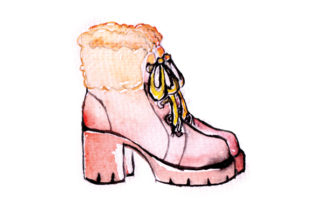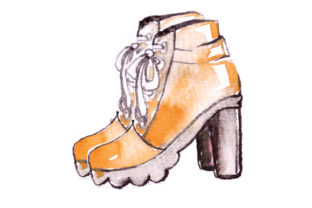
No Heel Watercolor Women’s Shoes Review
As a designer who has spent countless hours digitizing and testing embroidery files, I have learned that the difference between a good design and a great one often lies in how it translates from screen to fabric. When I first opened the No Heel Watercolor Womans Shoes file, my immediate reaction was one of cautious optimism. Watercolor styles are notoriously difficult to execute in thread because they rely on soft gradients and bleeding edges—effects that machine stitching, by its very nature, struggles to replicate without becoming muddy or overly dense.
However, after putting this design through its paces on various textiles, I found it to be a surprisingly versatile asset for any craft business owner looking to add a touch of feminine elegance to their lineup. This review breaks down how this specific machine embroidery design performs in real-world scenarios, helping you decide if it belongs in your next embroidery project.
First Impressions and Visual Mood
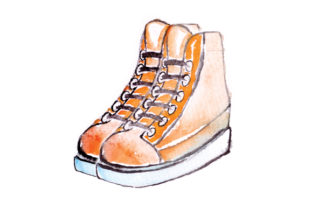
The aesthetic of No Heel Watercolor Womans Shoes is relaxed yet chic. It avoids the rigid, cartoonish outlines common in lower-quality digital embroidery files. Instead, it uses a combination of fill stitch variations and strategic running stitch details to mimic the fluid look of watercolor paint. The mood is airy and modern, making it an excellent choice for boutique branding or personalized gifts that need to feel high-end rather than homemade.
For those in the Beauty Amp niche or similar lifestyle sectors, this design fits seamlessly. It does not scream "craft fair leftover"; it whispers "curated collection." The lack of a heavy heel in the shoe silhouette keeps the profile low and streamlined, which is crucial for maintaining visual balance on smaller items.
Real-World Application: The Tote Bag Test
To truly evaluate a design, you must stitch it. I chose to test this file on a natural canvas tote bag design prototype. Canvas is unforgiving; it shows every gap in coverage and every puckering issue. I used a medium-weight cut-away stabilizer to ensure the fabric remained taut.
The result was impressive. The design sat flat against the textured weave of the canvas. Because the watercolor effect relies on color blending rather than solid blocks of thread, I selected a palette of soft pastels—blush pink, sage green, and slate blue. The transition between these thread colors was smooth, thanks to the thoughtful digitizing that likely utilized overlapping satin stitch borders to define the shape without creating hard, digital-looking lines.
This success suggests that the design would perform equally well on other sturdy fabrics. Imagine this on a linen apron for a bakery brand, or as a subtle accent on a denim jacket. It elevates the finished product by adding artistic flair without overwhelming the base material.
Versatility Across Product Lines
One of the strongest assets of No Heel Watercolor Womans Shoes is its adaptability. For Etsy sellers and small shop product creators, versatility equals profitability. Here is how I see this design fitting into various categories:
- Sweatshirt Embroidery: Placed on the left chest of a heather grey crewneck, the design acts as a sophisticated logo mark. The soft edges complement the fuzzy texture of fleece or French terry cloth.
- Baby Embroidery: While the shoe style is adult-oriented, the gentle color palette makes it suitable for nursery decor. Consider using it on a pillow cover or a blanket border for a gender-neutral baby shower gift.
- Holiday Embroidery: With minor color adjustments, such as swapping pastels for deep reds and greens, this could become a unique Christmas ornament or a festive tea towel design.
- Custom Apparel: It works beautifully on structured caps, provided you use a stiff stabilizer to prevent distortion on the curved surface.
For commercial embroidery projects, this design offers a professional look that builds customer trust. Buyers are more likely to perceive a item as high-value when the embroidery looks intentional and artistically driven rather than generic.
Technical Considerations and Limitations
While the design is strong, it is not without its challenges. As an experienced reviewer, I must point out where caution is needed. Watercolor effects require careful management of stitch density. If the density is too high, the fabric will pucker; if too low, the "paint" look disappears, leaving gaps.
I recommend avoiding this design on very thin or stretchy fabrics like rayon jersey unless you are an advanced user with extensive stabilization experience. The intricate color changes can also lead to thread breaks if your machine tension is not perfectly calibrated. Additionally, on dark fabrics, the subtle pastel tones may get lost. In such cases, consider using this as an applique design base, stitching the outline and then filling it with fabric patches to achieve the watercolor look without excessive thread buildup.
Always check the recommended hoop size before purchasing. While the design scales well, shrinking it too much will cause the delicate details to merge into a blob. Conversely, enlarging it significantly may reveal the individual stitch paths, breaking the illusion of a painted image.
Practical Designer Notes
Before you commit to producing inventory or selling this as a personalized gift option, follow these steps:
- Test on Scrap Fabric: Never stitch directly on your final garment. Use a similar weight and weave to check for puckering.
- Check Thread Contrast: View your design in black and white on your computer screen. If the details disappear in grayscale, they will likely get lost in real life too. Adjust your thread choices accordingly.
- Review Licensing: Confirm whether the embroidery file allows for commercial use. Most designers allow selling finished physical items, but restrictions often apply to sharing the digital file itself.
- Mockup Verification: Use printable mockup tools to visualize the design on different products before stitching. This saves time and materials.
In conclusion, No Heel Watercolor Womans Shoes is a refined addition to any designer’s library. It bridges the gap between artistic expression and technical feasibility. For creative entrepreneurs and makers who value quality and aesthetic coherence, this design offers a reliable way to enhance handmade product appeal. Just remember to respect the technical limits of the watercolor style, and you will find it to be a consistent performer in your design assets portfolio.