Great Wall of China - Watercolor Style Review
As a designer who has spent years navigating the intersection of digital art and physical thread, I approach every new machine embroidery design with a mix of excitement and skepticism. The market is flooded with generic motifs, so finding a piece that truly translates well from screen to fabric is a challenge. When I first loaded the Great Wall of China - Watercolor Style into my editing software, I was immediately struck by its artistic intent. It isn't just a flat outline; it attempts to capture the fluidity of watercolor painting through the rigid medium of thread. This review breaks down how this specific embroidery file performs in real-world scenarios, from boutique branding to personal gifts.
The Artistic Impression: Translating Paint to Thread
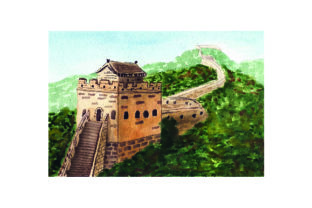
The visual personality of the Great Wall of China - Watercolor Style is distinct. Unlike traditional travel-themed designs that rely on bold outlines or heavy block fills, this design uses gradients and soft edges to mimic brushstrokes. The mood it creates is nostalgic and elegant, perfect for adding a touch of sophistication to a project. In the context of the Travel category, it stands out because it feels less like a souvenir and more like a piece of wearable art.
However, the transition from a digital image to a stitched reality requires careful consideration. The "watercolor" effect is typically achieved through a combination of fill stitch variations and perhaps some running stitch details to suggest texture. When viewing the design on a printable mockup, the softness looks promising. But as a professional, I know that what looks good on a monitor can sometimes get lost if the stitch density is too high or the thread colors aren't chosen carefully. The layout suggests a vertical orientation, which naturally fits items like tote bags or the side panels of sweatshirts.
Real-World Application: From Hoop to Finished Product
To test the practical value of the Great Wall of China - Watercolor Style, I imagined preparing a custom embroidered tote bag for a client who runs a small shop specializing in travel journals and artisanal goods. The goal was to create a handmade product that felt premium yet accessible. The design's organic shape makes it an excellent candidate for a tote bag design. On a sturdy canvas material, the soft edges of the watercolor style would contrast beautifully with the rough texture of the fabric, creating a tactile depth that customers love.
I also considered using this as a sweatshirt embroidery placement. Placing the Great Wall motif on the chest of a heavyweight cotton crewneck could elevate a basic garment into a statement piece. For a small business owner or Etsy seller, this kind of custom apparel offers a unique selling point. It moves away from the cliché of loud logos and embraces a more subtle, artistic aesthetic. The design also works exceptionally well for holiday embroidery projects, such as pillow covers or kitchen towels, where the cultural significance of the Great Wall adds a layer of meaning to home decor.
For those looking to create personalized gifts, this design is versatile. Imagine a baby embroidery project where the Great Wall is used on a nursery blanket or a onesie, perhaps paired with a birth date. The softer tones inherent in the watercolor style make it gender-neutral and gentle enough for children's items. Alternatively, it serves as a stunning embroidered patch that can be sewn onto denim jackets or backpacks, appealing to travelers who want to document their journeys without looking like they are wearing a postcard.
Critical Considerations for Fabric and Technique
While the Great Wall of China - Watercolor Style is visually appealing, it demands respect for the technical limitations of embroidery machines. One area where caution is required is with textured fabrics. If you attempt to stitch this design on a heavily napped fleece or a loose weave linen, the delicate details of the watercolor effect might get swallowed by the fabric pile. The thread colors need to pop against the background, so testing on scrap fabric is non-negotiable.
Another critical factor is the hoop size. Because watercolor styles often require larger areas to blend colors effectively, shrinking this design to fit a tiny 4x4 hoop could result in a muddy mess where individual stitches become indistinguishable. Always check the original dimensions and ensure your machine can accommodate the full scope of the artwork. Similarly, when working with dark fabric, the light washes typical of watercolor art may struggle to show up unless you use a backing stabilizer that provides opacity or choose a design version specifically optimized for dark backgrounds.
Curved surfaces like caps present another challenge. The straight lines of the Great Wall structure combined with the flowing watercolor elements might distort slightly on a curved surface. While modern digitizing software handles this better than ever, it is still wise to test the design on a cap form before committing to a batch of commercial embroidery orders. Dense stitch areas in the lower sections of the wall could also cause puckering on thin or stretchy fabrics, requiring a heavier duty stabilizer to maintain the integrity of the finished product.
Designer Notes: Maximizing Value and Professionalism
Before integrating the Great Wall of China - Watercolor Style into your craft business, there are several steps to ensure quality and compliance. First, always run a test stitch on a similar fabric to the one you intend to use. Check the stitch density to ensure the watercolor gradients look smooth rather than pixelated. Inspect the small details, particularly the corners of the wall segments, to make sure they hold their shape after washing.
Color selection is paramount. A watercolor design relies on the interplay of hues. If you are using a standard thread palette, you might need to adjust the thread colors to match the intended gradient. Sometimes, using a slightly lighter shade than expected helps achieve that washed-out paint look. Additionally, consider how the design appears in black and white digital product previews. Even if the final product is colorful, many customers browse online listings in grayscale or have colorblindness, so the design should remain recognizable without full color saturation.
Licensing is another crucial aspect for digital product sellers and small shop owners. Before selling any finished product featuring the Great Wall of China - Watercolor Style, confirm the licensing terms. Does the license allow for commercial use? Are there restrictions on the number of items you can sell? Understanding these terms protects your business from legal issues and ensures you are respecting the work of the original designer.
Finally, think about brand consistency. If your boutique branding focuses on bold, graphic prints, this soft watercolor style might feel out of place. However, if your brand identity leans towards artisanal, handcrafted, and artistic, this design is a perfect asset. It enhances customer trust by showing attention to detail and a commitment to quality aesthetics.
Final Thoughts on Commercial Viability
The Great Wall of China - Watercolor Style is more than just a decorative motif; it is a tool for storytelling in textile design. Its ability to evoke the spirit of Travel while maintaining an artistic edge makes it a valuable addition to any design assets library. Whether you are creating a holiday gift, a wedding gift, or merchandise for your own shop, this design offers a sophisticated alternative to standard travel icons.
By taking the time to test the embroidery project on various materials, selecting the right stabilizer, and ensuring proper color matching, you can turn this digital file into a tangible masterpiece. The key lies in understanding that while the design is beautiful, its success depends on your execution. With careful planning and a keen eye for detail, the Great Wall of China - Watercolor Style can significantly boost the perceived value of your products and engage buyers who appreciate the finer points of handmade craftsmanship.