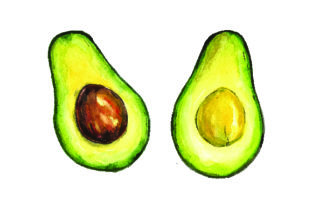
Avocado - Watercolor Style Embroidery Review
As a designer who has spent years translating digital files into tangible thread on fabric, I approach every new machine embroidery design with a mix of excitement and skepticism. The market is flooded with generic clip art that looks great on a screen but falls apart under the needle. When I first opened the file for Avocado - Watercolor Style, my immediate reaction was curiosity. Food-themed designs are popular, but executing a watercolor aesthetic in thread is notoriously difficult. This review isn't about listing specs; it's about whether this specific embroidery file will hold up when you put it into your craft business or personal project workflow.
The Visual Promise: Capturing Softness in Thread
The first impression of Avocado - Watercolor Style is one of whimsical charm. It leans heavily into the current trend of botanical and food illustrations that feel hand-painted rather than rigidly vectorized. In the digital preview, the soft edges and blended greens mimic the look of wet-on-wet painting. For an Etsy seller or a boutique owner looking to add a touch of organic flair to their inventory, this visual personality is exactly what separates a mass-produced item from a curated handmade product.
However, as we move from the screen to the hoop, the real challenge begins. The "watercolor" effect in embroidery relies entirely on how the software handles the transition between colors. If the stitch density is too high, the soft gradients turn into muddy blobs. If it is too low, the design loses its shape. In my assessment, this design attempts to balance these elements by using a combination of fill stitch for the body and lighter, scattered running stitch or broken satin lines to suggest the drips and splashes typical of watercolor art. It creates a mood that is fresh, modern, and undeniably playful, making it a strong candidate for kitchen textiles or casual apparel.
Real-World Application: From Tote Bags to Nursery Decor
Let's talk about where this design actually shines. Imagine you are preparing a custom embroidered tote bag for a summer craft fair. You want something that stands out against the sea of black and white logos. Placing Avocado - Watercolor Style on a natural canvas tote bag creates an instant connection with customers who value eco-friendly and artisanal aesthetics. The organic shape of the avocado fits perfectly with the texture of the canvas, and the green tones pop without being aggressive.
I also see significant potential for this as a baby embroidery element. Think of a personalized onesie or a soft pillow cover for a nursery. The gentle curves and non-threatening color palette make it ideal for young children. Unlike sharp geometric patterns, the fluid nature of this design feels safe and welcoming. For a small shop product line, perhaps a set of tea towels or aprons, this tote bag design concept translates easily to home goods. It signals to the buyer that the product is made with care and attention to detail, which increases perceived value and justifies a higher price point.
For those creating custom apparel, such as a sweatshirt or a denim jacket patch, the design works well as a focal point. However, because of its artistic nature, it might not be suitable for corporate branding where crisp, legible lines are required. Instead, it excels in lifestyle branding—think yoga studios, smoothie bars, or wellness retreats where the vibe is relaxed and natural. As a digital embroidery file asset, it offers versatility for makers who want to diversify their portfolio beyond standard text-based monograms.
Navigating Challenges: Fabric and Hoop Considerations
While the aesthetic appeal is high, practical execution requires caution. The "watercolor" style often involves delicate, thin lines that can get lost on textured fabrics. If you attempt to stitch Avocado - Watercolor Style on a heavy wool sweater or a thick fleece, the fine details may become indistinguishable. The thread colors need to contrast sufficiently with the background; a dark green avocado on a dark olive sweatshirt will disappear unless you use a very light stabilizer or a bright backing.
Another critical factor is the hoop size. Designs with soft, flowing edges often require a bit more room to breathe. If you try to force this into a tiny 4x4 inch hoop, you risk distorting the proportions, turning the avocado into an unrecognizable blob. Always check the dimensions of the embroidery file before committing to a specific garment. Furthermore, stretchy fabrics like jersey knit can cause puckering around the dense areas of the fill stitch. Using the correct stabilizer is non-negotiable here. A cut-away stabilizer is usually safer for garments that will be washed frequently, ensuring the design remains flat and the stitches don't pull the fabric out of shape.
Be particularly careful with dark fabric. Watercolor effects rely on transparency and layering, which is hard to achieve on black or navy backgrounds without a toner sheet or a light-colored underlay. Without proper preparation, the design might look dull or dirty rather than vibrant. If you are planning to sell these as finished products, test the design on scrap fabric that matches your final material exactly. Check how the threads interact with the weave and ensure the stitch density doesn't overwhelm the fabric.
Design Integrity and Commercial Viability
From a commercial standpoint, the success of Avocado - Watercolor Style depends on consistency. If you are building a brand around this type of imagery, you need to ensure that every finished product looks identical. Variations in thread tension or fabric type can alter the look of the watercolor effect significantly. For an Etsy seller, maintaining quality control is vital for customer trust. One poorly stitched item can ruin your reputation faster than a bad review.
This design also serves as an excellent tool for personalized gifts. Adding a name or a date near the avocado can transform a generic item into a cherished keepsake. However, keep the typography simple. Complex fonts might clash with the organic feel of the illustration. Stick to clean, sans-serif, or handwritten-style scripts that complement the watercolor theme.
Before launching a collection, verify the licensing terms. Just because you own the digital product doesn't always mean you can sell unlimited items. Some licenses restrict the number of physical products you can create or prohibit selling the design itself as a digital product. Ensure you have the rights to use Avocado - Watercolor Style for your specific business model, whether it's a small shop product or a large-scale commercial embroidery run.
Final Verdict for the Maker
In conclusion, Avocado - Watercolor Style is a refreshing addition to any designer's library, provided you respect its technical requirements. It captures a specific mood that resonates well with modern consumers looking for unique, handcrafted vibes. It is not a "set it and forget it" design; it demands attention to fabric choice, stabilizer application, and thread selection. But if you take the time to test it properly and apply it to the right projects, the result is a stunning piece of art that elevates your handmade product line. Whether you are stitching a single gift or stocking a boutique shelf, this design offers a beautiful opportunity to blend creativity with commerce.